
Summer Skin Care: How to Enjoy the Sun Safely and Why Mole Checks Matter
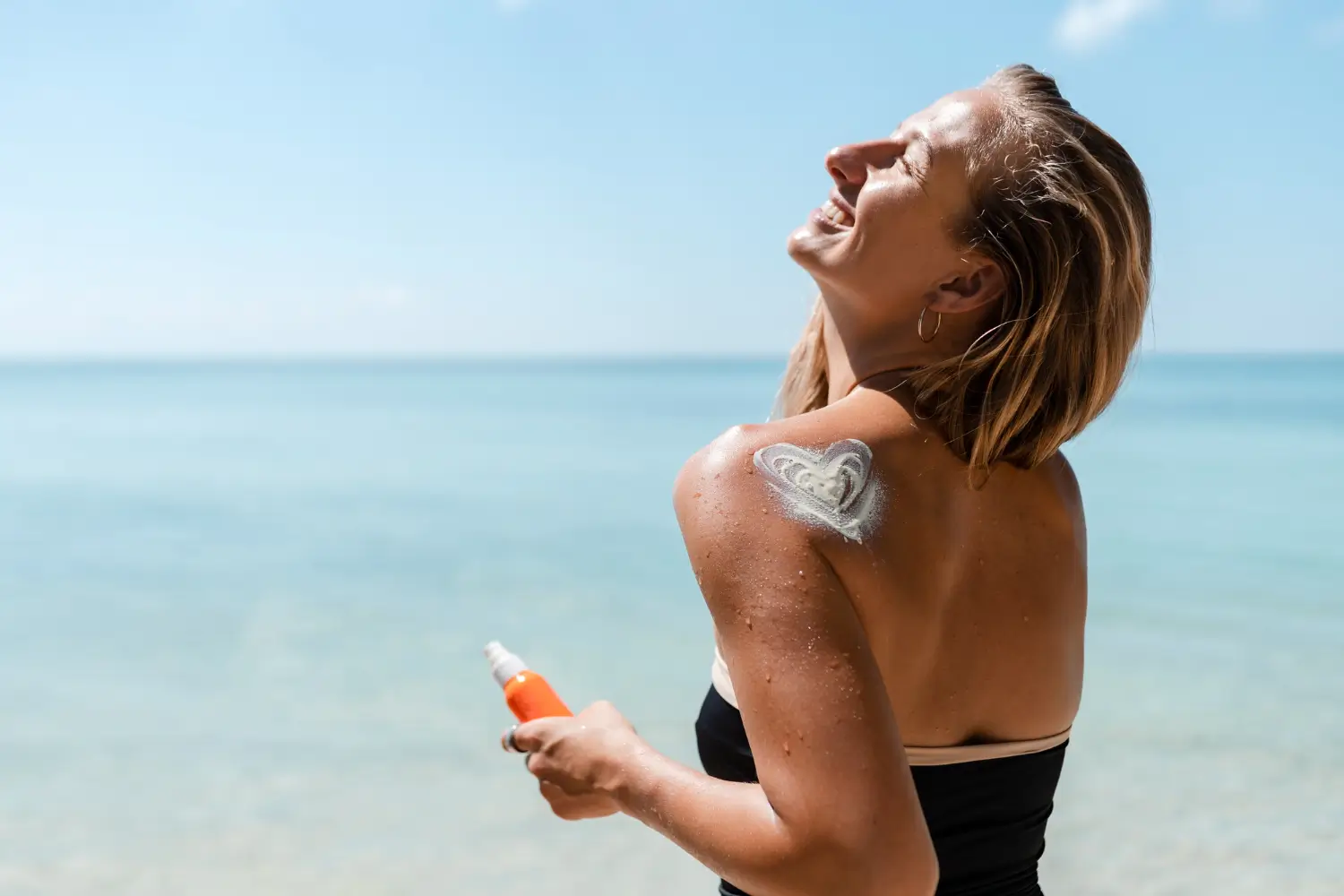
Summer means holidays, time by the water and more days spent outdoors. Sunlight supports vitamin D production, improves our mood and can give the skin a healthy look. At the same time, summer is when the skin is exposed to the most stress. Excessive sun exposure, high temperatures, chlorinated or salty water and insufficient protection may contribute to premature ageing, pigmentation spots and more serious health problems.
Good summer skin care is therefore not only about appearance. It includes UV protection, hydration, skin recovery and regular mole checks.
The sun is helpful, but it also carries risk
Short sun exposure may be beneficial, but repeated sunburn and long periods in strong sunlight increase the risk of cell damage. UV radiation penetrates the skin and gradually damages collagen and elastin fibres, which are responsible for firmness and elasticity.
The most common effects of excessive tanning include:
- dry skin and loss of elasticity,
- wrinkles and pigmentation spots,
- dilated small blood vessels,
- premature skin ageing,
- an increased risk of skin tumours.
How to protect your skin in summer
Prevention is the foundation of healthy summer skin care. Regular sun protection, enough fluids and gentle regeneration after a day outdoors can make a real difference.
- Use SPF 30 to 50. Apply sunscreen about 20 minutes before going into the sun and reapply it during the day, especially after swimming or sweating.
- Do not forget hydration. Heat increases water loss from the body and skin. Fluids and hydrating skin care help keep the complexion fresh and more resilient.
- Avoid the strongest sun. UV radiation is usually most intense between 11:00 and 15:00. Prefer shade, a hat, sunglasses and protective clothing during these hours.
- Help the skin recover. After sun exposure, choose soothing products with aloe vera, hyaluronic acid or antioxidants.

Summer is a good time to check moles
In summer we tend to notice our skin more often, which makes it easier to catch changes that should not be ignored. Most pigmented moles are harmless, but some may develop suspicious features over time. Early detection is one of the most important steps in skin cancer prevention.
During self-checks, look for changes in size, shape, borders or colour, multiple colours, itching, burning, bleeding, rapid growth or a new pigmented lesion in adulthood.
The ABCDE rule
The ABCDE rule is a simple way to assess moles:
- A - Asymmetry: one half looks different from the other.
- B - Border: the edges are irregular, blurred or poorly defined.
- C - Colour: the mole has uneven colouring or several shades.
- D - Diameter: the diameter is larger than approximately 6 mm.
- E - Evolution: the mole changes over time.
If you notice any of these signs, it is advisable to book a professional examination.
Dermatoscopy can protect your health
Modern diagnostics allow a detailed examination of moles with a dermatoscope. The doctor assesses the structure of the mole and decides whether it should be monitored or removed. Dermatoscopy is a non-invasive examination especially useful for people with fair skin, many moles, a family history of skin cancer, repeated sunburn or frequent sun exposure.
When does a mole need to be removed?
If the doctor considers a mole risky or suspicious, they may recommend removal. Timely removal can prevent more serious health complications.
- Surgical mole removal is the gold standard for suspicious pigmented lesions because it allows histological examination of the removed tissue.
- Laser mole removal is used mainly for selected benign skin lesions for aesthetic reasons. Suitability for laser removal is always decided by a specialist after a thorough examination.
You can also learn more in the surgical mole removal section.
Care for your skin all year round
The skin is the largest organ of the human body and our natural protection against the outside environment. Regular sun protection, hydration and preventive mole checks are simple steps that can significantly support skin health.
If you have noticed a change in a mole or would like a preventive skin examination, book a specialist consultation at Polyclinic Chirkoz Bratislava. Early diagnosis is the best protection for your health.
Are you experiencing similar symptoms?
Book a consultation with our specialists.