
Hemorrhoids – discomfort and pain that do not belong in everyday life
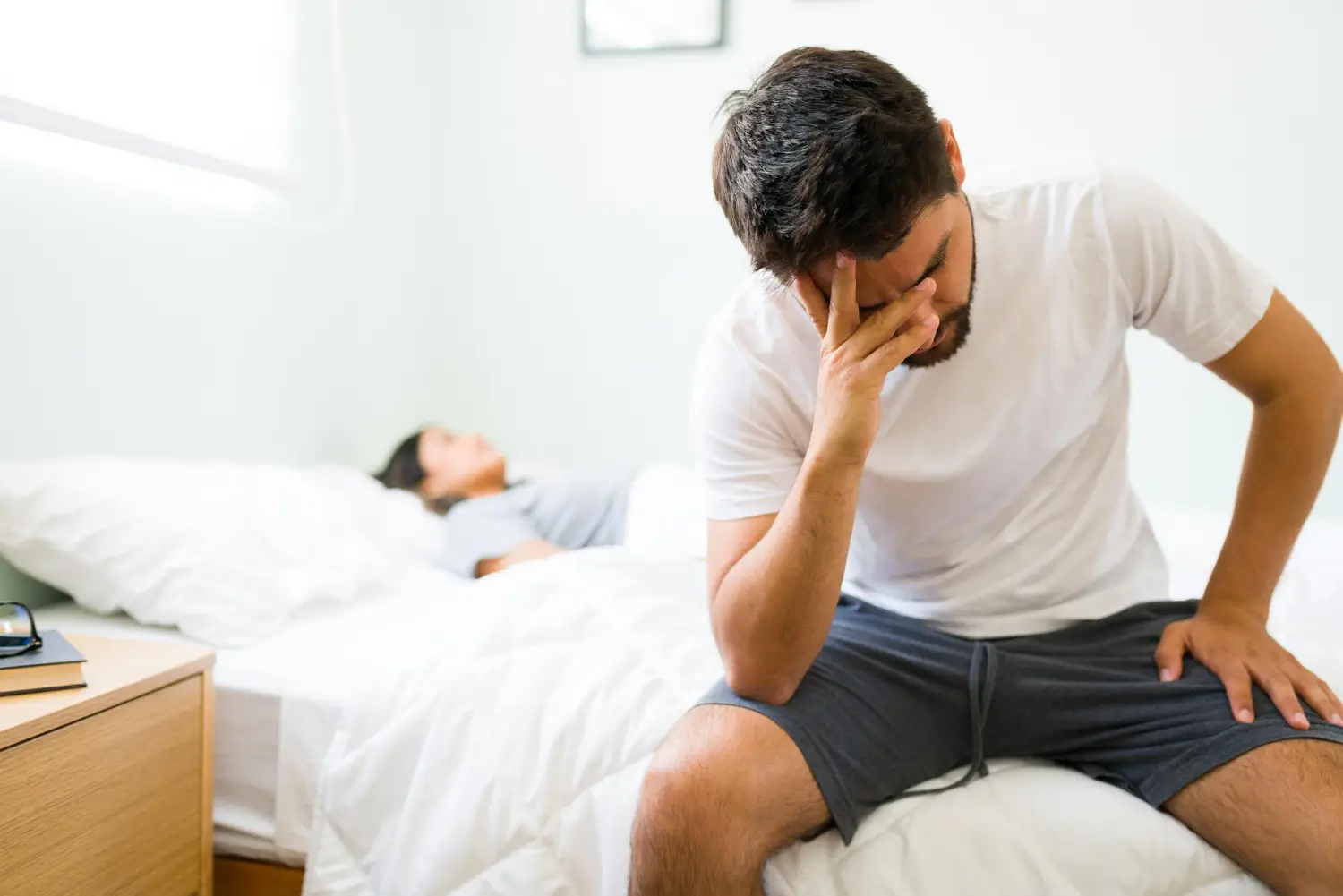
Hemorrhoids are among the most common rectal conditions. It is estimated that more than half of the adult population will experience them at some point in life. Yet many people delay seeing a doctor out of fear or embarrassment. The result is often a worsening condition, greater pain and more complex treatment.
The good news is that modern medicine offers several effective ways to treat hemorrhoids. The earlier the problem is diagnosed, the simpler and gentler the solution can be.
What are hemorrhoids?
Hemorrhoids are vascular cushions located in the rectal area. Under normal circumstances they help maintain bowel control and are a natural part of the human body.
We speak of disease when these vessels enlarge, become inflamed or start to bleed. This causes unpleasant symptoms that can significantly affect everyday quality of life.
Internal hemorrhoids are located inside the rectum. They are usually not painful at first; the most common symptom is bleeding during bowel movements. In more advanced stages they may protrude outside the rectum.
External hemorrhoids develop around the anus. They often cause pain, itching, swelling or a painful lump. Thrombosis of an external hemorrhoid can cause very intense pain.
What are the symptoms of hemorrhoids?
The most common symptoms include:
- blood on toilet paper
- bright red bleeding during bowel movements
- anal itching
- burning sensation
- pain when sitting
- pain during bowel movements
- a feeling of a foreign body
- moisture around the anus
- prolapsed hemorrhoids
- swelling or a painful lump
If bleeding recurs, it should never be underestimated. The cause may not be hemorrhoids alone, but also other digestive tract conditions.
Why do hemorrhoids develop?
Several factors contribute to the development of hemorrhoids. The most common include:
- chronic constipation
- straining during bowel movements
- sedentary work
- lack of physical activity
- obesity
- pregnancy
- childbirth
- prolonged sitting on the toilet
- low fibre intake
- insufficient fluid intake
- genetic predisposition
The risk also increases with age.
Stages of hemorrhoids
Doctors distinguish four stages of the condition.
- Hemorrhoids do not protrude from the rectum. Bleeding is the main symptom.
- They prolapse during bowel movements and return on their own.
- After defecation they need to be manually pushed back.
- Hemorrhoids remain permanently outside the rectum and often cause significant pain.
How does examination work?
Many patients have unnecessary concerns about the examination. It is usually brief, gentle and in most cases takes only a few minutes. The doctor first reviews the course of symptoms, then examines the rectal area and, if needed, adds a rectoscopic examination or proctological assessment.
The goal is to confirm the diagnosis and rule out other conditions.
Treatment of hemorrhoids
Treatment depends on the extent of the condition.
Conservative treatment – in early stages, dietary changes, increased fibre intake, adequate hydration, regular exercise, ointments, suppositories, sitz baths and venotonics as recommended by a doctor may help.
Outpatient treatment – if conservative care is not enough, modern outpatient methods are available, such as rubber band ligation, sclerotherapy, infrared coagulation and other minimally invasive procedures. The advantages include a short procedure, minimal pain and a quick return to everyday life.
Surgical treatment – for advanced hemorrhoids, surgery may be the most suitable solution. Modern surgical techniques, including laser hemorrhoid surgery, significantly shorten recovery time and improve patient comfort.
Can hemorrhoids be prevented?
Yes. Prevention is simpler than treatment itself. It is recommended to:
- eat enough fibre
- drink at least 2 litres of fluids daily
- exercise regularly
- not delay the need to defecate
- avoid sitting on the toilet for long periods
- maintain a healthy body weight
- limit prolonged sitting
When should you see a doctor?
Book a specialist examination if:
- bleeding persists
- pain worsens
- a painful lump appears
- hemorrhoids keep returning
- home treatment does not help
- you are over 45 and rectal bleeding has appeared
Early diagnosis can also detect other conditions of the large intestine.
Why is it worth treating hemorrhoids early?
Delaying treatment often leads to greater pain, repeated inflammation, more frequent bleeding, complications and the need for surgery. When the condition is caught early, treatment is usually simpler, faster and less invasive.
Book a specialist examination
If hemorrhoids bother you or you experience bleeding, pain or unpleasant sensations during bowel movements, do not wait until the problems worsen. A specialist proctological examination helps determine the cause of your symptoms and propose the most suitable treatment. The goal is to bring relief, remove unpleasant symptoms and allow a return to a good quality of life. Book an appointment for a consultation at Poliklinika Chirkoz Bratislava.
Frequently asked questions
Are you experiencing similar symptoms?
Book a consultation with our specialists.